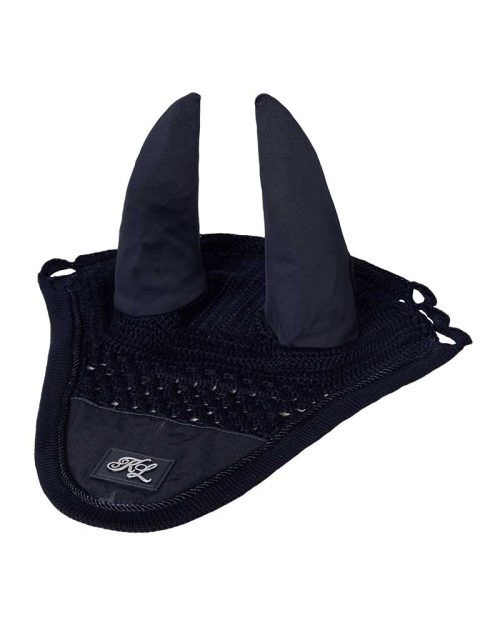
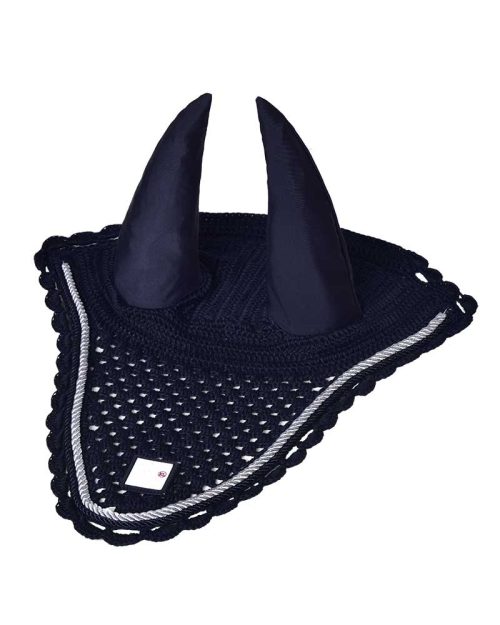
 Navy blue handmade crochet earmuffs. It has a silver silk rope on the edge and a white rubber patch on the front. The ears are made of elastic fabric that feels comfortable for the horse and protects the ears from annoying flies.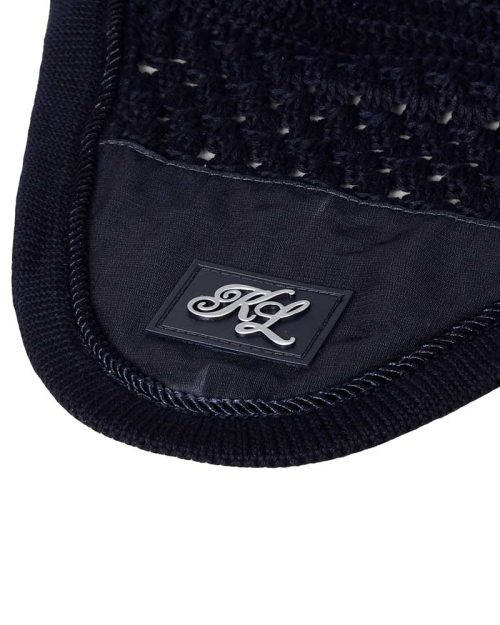
 Handmade crochet ear bonnet with silk front detail.
Features a silk cord along the edge and a navy blue rubber patch on the front silk.
Ears made of stretch fabric for a comfortable fit that protects your horse from annoying flies.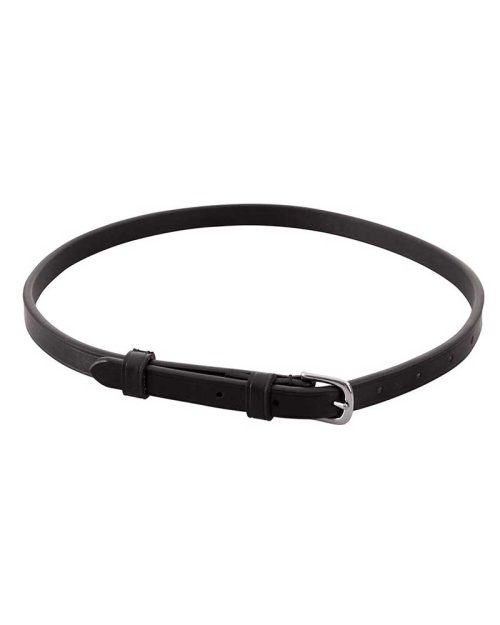 Leather strap with roller buckle.
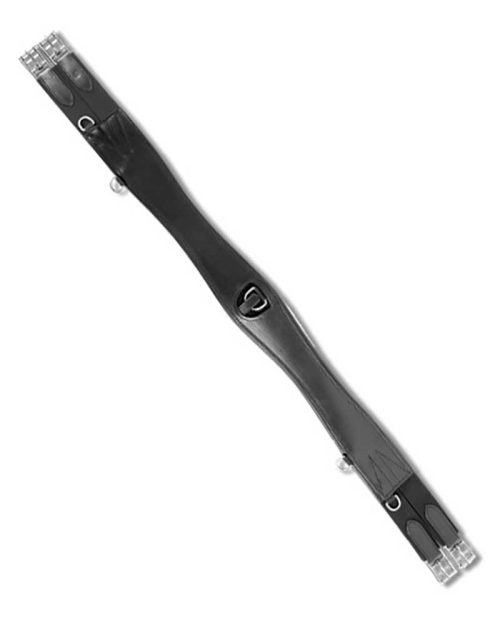 Cinchuelo acolchado de suave cuero. Mantiene inalteradas sus características de indeformabilidad y resistencia. Con hebillas de rodillo de acero inox, inserción elástica en ambos extremos y anillas para la sujeción de riendas auxiliares. Softly lined surcingle in high quality leather, hard-wearing and shape-retaining. Stainless steel roller buckles and elastic insert at both ends, plus rings to attach side reins.
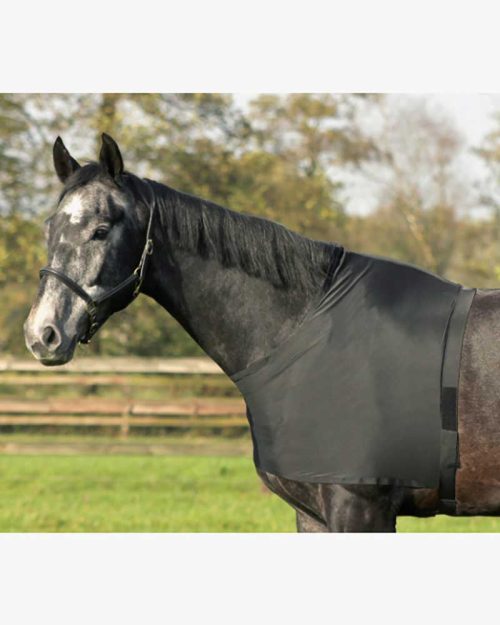 Camiseta de licra para proteger el pecho y la cruz del roce de las mantas. Talla S: Pony.
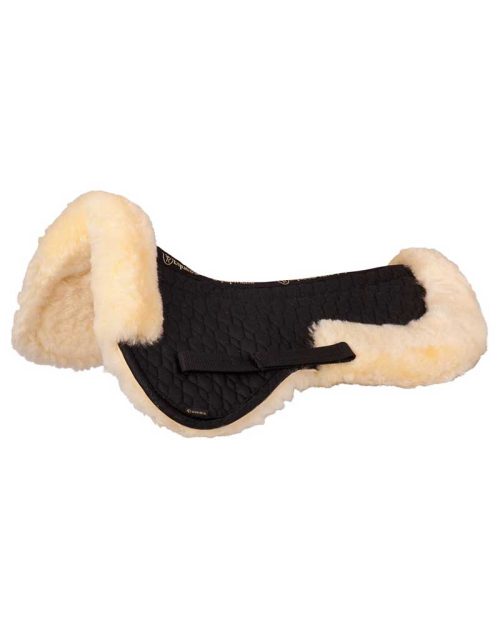
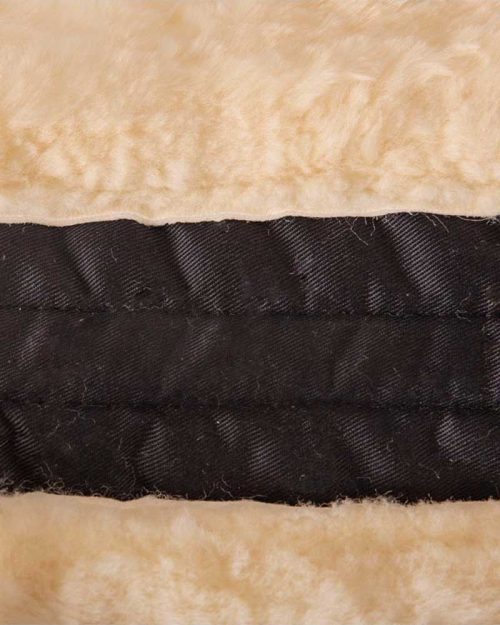 Salvadorsos de algodón con parte inferior y borde de borreguillo. Con corte central para el canal vertebral del caballo. Talla única: Full.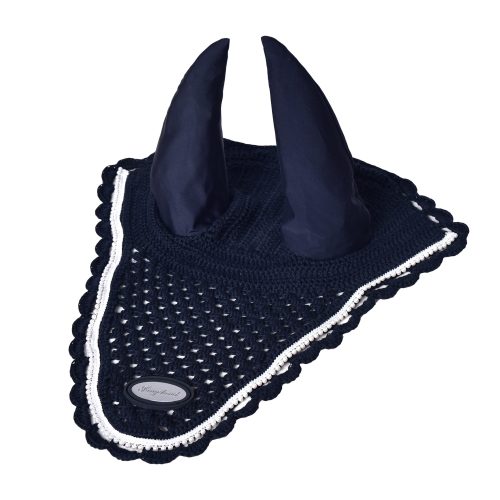
 Orejeras de crochet con cuerda y cinta de perlas a lo largo del borde. Parche de metal en la parte delantera. Orejas elásticas. Crochet cotton fly hat with rope and pearl tape along edge. Metal patch in front. Stretchy jersey ears.
 Juego de dos protectores de menudillo abierto con carcasa rígida y forro de neopreno. Con cierre de velcro. Protege las patas del caballo contra golpes. Material exterior: plástico Material de revestimiento: neopreno Protector de espolón con forma anatómica Carcasa de plástico duro Equipado con forro de neopreno suave y amortiguador. Espesor neopreno: 5 milímetros Con doble cierre de velcro Lavable a máquina a 30 grados. Cierre el velcro y lave los protectores en una bolsa de lavandería. Set of two open fetlock boots with a hard shell and neoprene lining. With Velcro closure. Protects the horse's legs against shocks and hits. Outer material: plastic Lining material: neoprene Anatomically shaped fetlock boot Hard plastic shell Equipped with soft and shock absorbing neoprene lining. Thickness neoprene: 5 millimeters With double Velcro closure Machine washable at 30 degrees. Close the velcro and wash the protectors in a laundry bag.
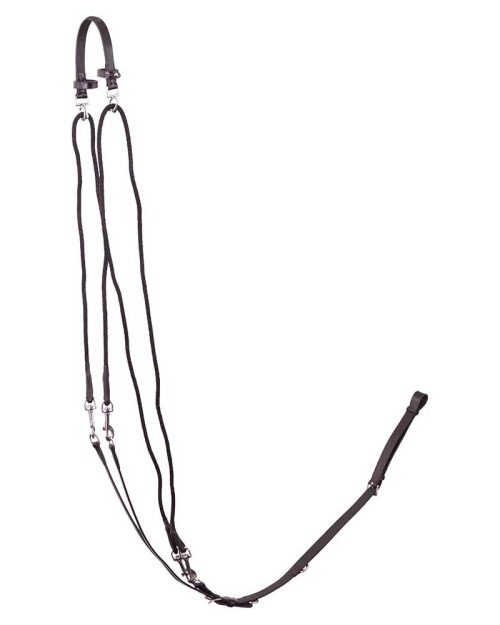 Leather gogue with adjustable girth attachment loop with buckles closure and three D-rings: one at the end and two at the breast part for more adjustment options. The soft nylon cords are attached with snap hooks and go through the bitrings to the rings (with roller buckles) on the leather headpiece back to the breast part of the gogue, where they are attached to one of the three D-rings using a snap hook. In this way, a triangle is formed, which prevents the horse from extending its neck too far ahead. The gogue is fitted with stainless steel fittings. The gogue can be used while riding and longeing and makes sure that your horse decontracts and walks in a relaxed position. If the horse raises its head, pressure arises behind the ears and in the corners of the mouth, which causes the horse to lower its head.
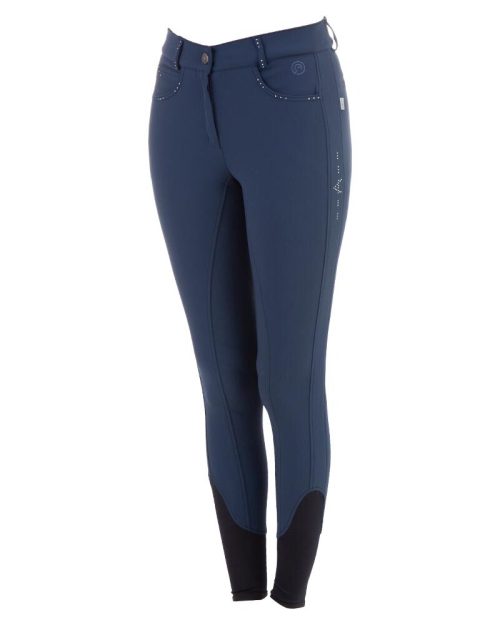
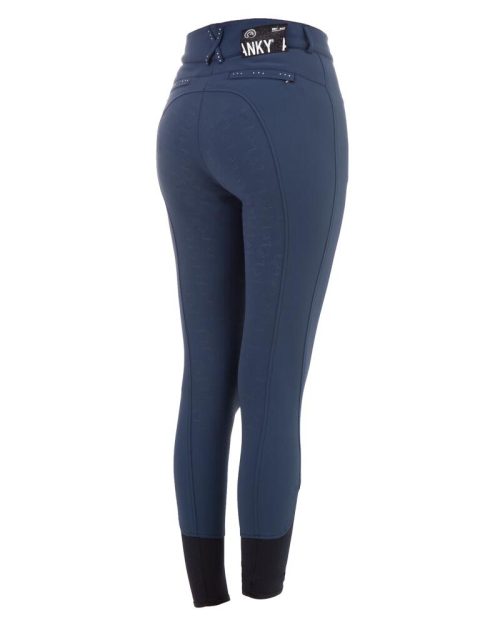 Pantalones de montar a caballo de color azul marino con brillantes para niña. Lleva grip de silicona en la culera con un diseño muy fino. Navy blue full grip breeches for girls.
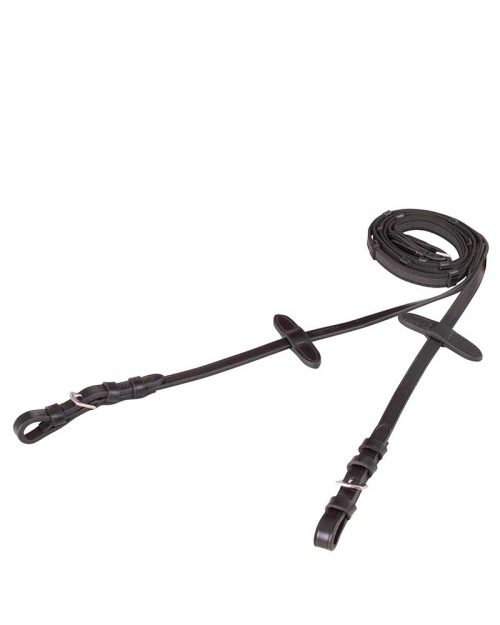
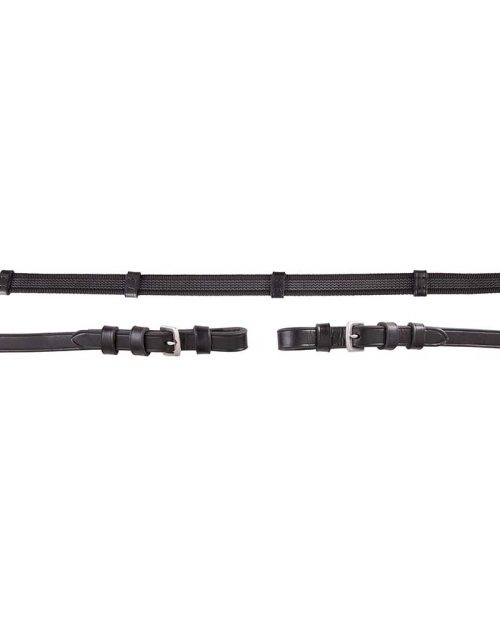 Web rein wrapped with rubber for improved grip. This non-skid rein (16 mm wide) has leather hand and rein stops. Its leather ends, with stainless steel buckle closure, are 13 mm wide.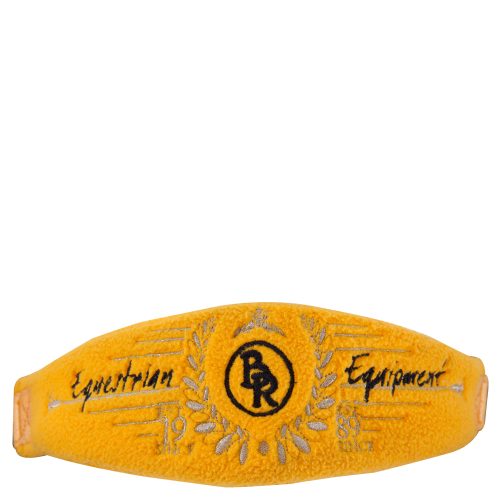
DESCRIPCIÓN:
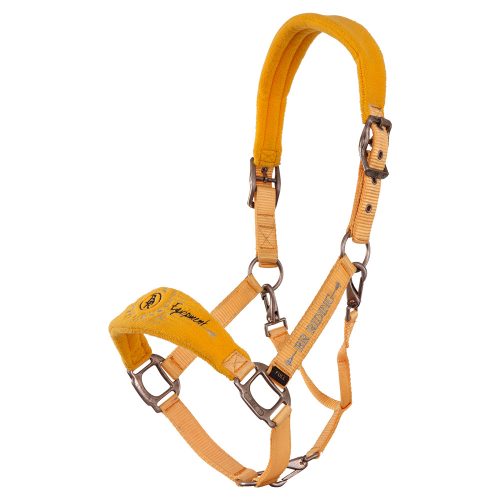
Cabezada de cuadra con muserola polarCOLOR :
AMARILLOMARCA:
BR
FREE URGENT SHIPPING FROM 100€ PURCHASE IN SPAIN AND 150€ IN EUROPE|Need help? We assist you in carolina@alogo.es